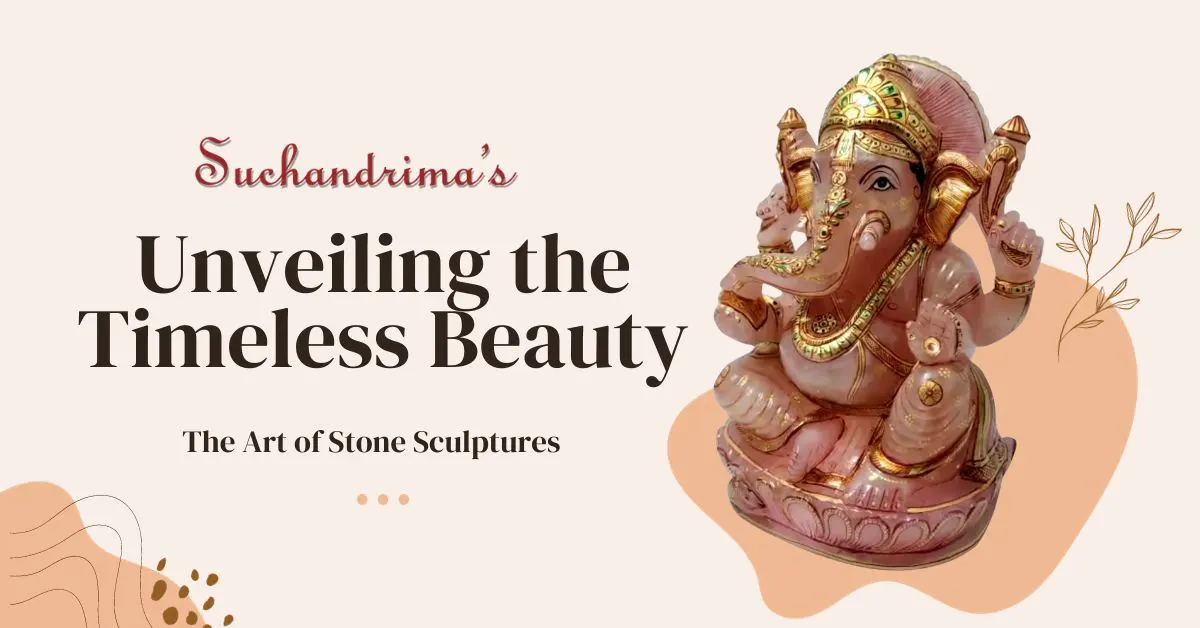
India's stone sculptural heritage is among the richest and most continuous artistic traditions in human history. From theIndus Valley Civilization's earliest figurines to the monumental temple complexes of the medieval period, stone carving has been central to India's cultural, religious, and architectural identity for over two thousand years.
The Archaeological Survey of India (ASI) documents hundreds of heritage sites where stone sculpture forms the backbone of India's architectural legacy. At Hampi, the ruins of the Vijayanagara Empire showcase extraordinary stone architecture that UNESCO describes as possessing "outstanding universal value" as a testament to the height of Indian civilization between the 14th and 16th centuries [1]. The site contains countless stone sculptures, relief panels, and architectural elements that reveal the sophistication of medieval Indian craftsmanship.
Perhaps no single monument captures the ambition of Indian stone carving more dramatically than the Kailasa Temple at Ellora. Carved entirely from a single basalt cliff face, this monolithic structure is the largest rock-cut temple in the world. UNESCO recognizes the Ellora Caves as a masterpiece of human creative genius, housing 34 Buddhist, Hindu, and Jain temples carved over several centuries beginning in the 6th century [2]. The temple complex demonstrates that Indian sculptors were not merely decorating surfaces — they were carving entire worlds from solid rock.
The Konark Sun Temple in Odisha, another UNESCO World Heritage Site, represents the pinnacle of Kalinga-style architecture. Its 24 elaborately carved stone wheels, each measuring roughly 12 feet in diameter, are not merely decorative but function as sundials accurate to within minutes [3]. The temple, built in the 13th century, demonstrates how Indian stone sculpture seamlessly integrated artistic beauty with scientific precision.
The Khajuraho Group of Monuments, comprising 23 temples built by the Chandela dynasty between 950 and 1050 CE, showcases the Nagara style of Hindu temple architecture. UNESCO notes that these temples are renowned for their sculptural artistry, featuring thousands of intricately carved figures that depict daily life, celestial beings, and spiritual themes [4]. The sculptures at Khajuraho represent a philosophical worldview carved in stone — one that celebrates the full spectrum of human experience.
Britannica's comprehensive entry on Indian sculpture traces these traditions back to the Maurya period (c. 322–185 BCE), when polished stone surfaces and refined figurative carving first emerged in works like the Lion Capital of Ashoka [5]. The subsequent Sunga, Gandhara, and Mathura schools each contributed distinctive approaches to stone carving — Gandhara blending Hellenistic and Indian traditions, while Mathura developed a uniquely Indian figurative style in red sandstone.
The Chola dynasty of Tamil Nadu (9th–13th centuries CE) elevated stone and bronze sculpture to extraordinary heights. The Brihadisvara Temple at Thanjavur, built by Rajaraja Chola I, features some of the finest stone carvings in South India, with every surface adorned with deities, dancers, musicians, and floral motifs [6]. The Hoysala temples of Karnataka, with their intricate soapstone carvings, represent perhaps the most detailed stone ornamentation found anywhere in the world.
What connects these diverse traditions is a fundamental relationship between the sculptor and the stone. Indian stone carving was never merely a craft — it was a spiritual practice. The ancient texts describe the sculptor as someone who reveals the divine form already present within the stone. This philosophy is evident in every tradition, from the cave temples of Ajanta to the marble inlay work of the Taj Mahal.
Today, this living tradition continues in workshops across India. In Kolkata, artisans at Suchandrima's carry forward centuries of knowledge, working with serpentine stone, sandstone, granite, and wood to create sculptures that honor traditional forms while speaking to contemporary sensibilities. Each piece is a bridge between India's ancient heritage and its living present — a reminder that stone, shaped by skilled hands, can carry the weight of history while remaining utterly timeless.